
How World Cup 2026 Will Be Different from Previous Tournaments
The FIFA World Cup stands as the pinnacle of global sporting events, a quadrennial spectacle that unites nations, cultures, and millions of fans across every continent. As we look toward the horizon, the anticipation for worldcup 2026 is reaching a fever pitch. Unlike any iteration that has come before, the 2026 tournament promises to be a watershed moment in the history of the beautiful game. With a massive expansion, a tri-national hosting effort, and a reinvented format, this event is set to redefine what it means to host the world’s most prestigious soccer competition.
A Massive Expansion in Scale and Scope
The most significant change arriving with worldcup 2026 is the expansion of the tournament field. For the first time, FIFA will feature 48 teams, a substantial increase from the 32-team format that has been in place since 1998. This expansion is designed to provide more opportunities for emerging footballing nations to compete on the world stage, potentially unearthing new talents and creating Cinderella stories that capture the global imagination.
This increase in participants naturally necessitates a more complex tournament structure. With 48 teams, the tournament will feature 104 matches, significantly higher than the 64 matches played in previous cycles. This shift ensures that the tournament remains competitive while providing fans with more action than ever before. You can find detailed updates on the tournament logistics and venue preparations at the official FIFA website.
A Tri-National Hosting Effort
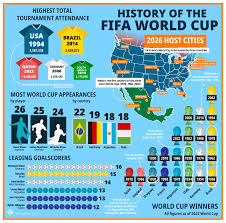
For the first time in history, the tournament will be jointly hosted by three nations: Canada, Mexico, and the United States. This logistical feat involves 16 host cities spread across vast geographical distances. This collaborative approach highlights the global appeal of the sport and leverages the existing world-class infrastructure of North America.
- Canada: Bringing the tournament to Canadian soil for the first time, with venues in Toronto and Vancouver.
- Mexico: Becoming the first nation to host matches in three separate World Cup tournaments (1970, 1986, and 2026).
- United States: Utilizing iconic stadiums and a massive fan base to anchor the majority of the tournament’s schedule.
This tri-national model reduces the burden on any single host nation while promoting cultural exchange and regional cooperation, setting a new precedent for how large-scale sporting events can be organized in the future.
Changes to the Tournament Format
The shift to 48 teams requires a complete overhaul of the group stage. Instead of the traditional groups of four, the tournament will feature 12 groups of four teams each. The top two teams from each group, along with the eight best third-placed teams, will advance to the round of 32. This format keeps the intensity high and ensures that every match carries weight, preventing the stagnation that can sometimes occur in the final rounds of smaller group stages.
Conclusion
The worldcup 2026 represents a bold leap forward for international football. By expanding the participant pool, embracing a tri-national hosting strategy, and refining the tournament structure, FIFA is signaling a new era of inclusivity and reach. While the scale of the event will be unprecedented, the core essence of the tournament—the passion, the rivalry, and the celebration of athletic excellence—remains unchanged. As the world prepares for kickoff in North America, fans can expect a tournament that is not only larger in size but also richer in its ability to bring the global community together. The countdown has begun, and the world is ready to witness the most ambitious chapter in the history of the World Cup.