
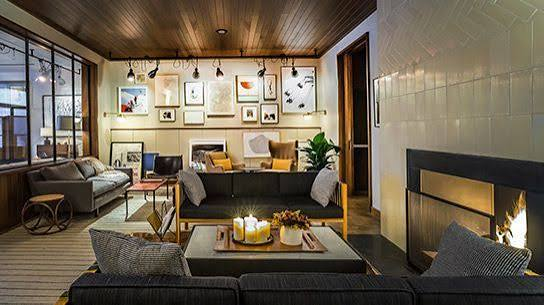
How to Create a Stylish and Comfortable Home Without Overspending
A home does not have to be large, luxurious, or filled with expensive furniture to feel beautiful. In fact, some of the most inviting homes are created through simple choices that make the space comfortable, organized, and personal. The secret is not spending more, but knowing where to invest and how to make the most of what you already have. If you are looking for practical inspiration for home design and everyday living, homesmyth.com is a helpful resource for exploring ideas related to decor, interiors, improvement, and modern homes.
Creating a better home can begin with something as simple as moving a sofa, changing the lighting, clearing unnecessary clutter, or adding a few natural elements. These small changes can completely alter the atmosphere of a room without requiring a major renovation.
Start With the Way You Live
Before choosing a color palette or buying new furniture, think about how your home is actually used.
A living room may need to accommodate family gatherings, relaxation, entertainment, or work. A bedroom should support rest, while a kitchen needs to make everyday tasks convenient. Understanding these functions helps you make design decisions that are practical rather than purely decorative.
Walk through your home and identify areas that feel uncomfortable or difficult to use. Is furniture blocking movement? Are everyday items difficult to reach? Does a particular room feel too dark?
Once you identify these issues, you can focus your budget on changes that genuinely improve your daily experience.
Declutter Before You Decorate
Adding new decorations to a cluttered room rarely produces the desired result. Before buying anything, remove items that you no longer use or need.
Start with one room and work through drawers, shelves, cabinets, and visible surfaces. Keep things that are useful or meaningful and find better storage for everything else.
Decluttering has another advantage: it allows existing furniture and decorative pieces to stand out. A simple room with carefully selected items can look far more sophisticated than a room packed with accessories.
You may even discover that you do not need to purchase as much as you originally thought.
Build a Color Palette That Feels Natural
Color has a powerful effect on the atmosphere of a home. The right combination can make a room feel calm, energetic, warm, or spacious.
If you want a timeless look, start with neutral shades such as cream, beige, white, soft gray, or natural wood tones. These colors can serve as a foundation for stronger accents.
Instead of introducing bold colors everywhere, use them selectively. A colorful rug, artwork, cushions, or decorative chair can provide personality without overwhelming the room.
Try to repeat certain colors throughout the space. This creates a visual connection between different elements and makes the interior feel intentionally designed.
Make Better Use of Natural Light
Natural light can transform an interior. It makes colors appear clearer, highlights textures, and can make smaller spaces feel more open.
Keep windows free from unnecessary obstacles and use curtains that allow daylight to enter. If privacy is a concern, choose lightweight window treatments that balance privacy with brightness.
Mirrors can also be useful when placed where they reflect available light. A strategically positioned mirror may help brighten a darker corner and create a greater sense of depth.
For evenings, combine different types of artificial lighting. Instead of depending on one ceiling fixture, consider floor lamps, table lamps, reading lights, and subtle accent lighting.
Rethink Your Furniture Layout
One of the easiest home improvements is completely free: rearranging furniture.
Furniture placement affects how spacious, comfortable, and functional a room feels. A sofa that blocks a walkway or a table that makes movement difficult can reduce the usefulness of an otherwise attractive room.
Try creating clear pathways and allowing enough space between major pieces. In a living room, arrange seating so people can comfortably communicate rather than simply pointing everything toward a television.
If you are unsure about a new layout, measure the room and sketch a few options before moving heavy furniture.
Invest in the Pieces That Matter
A limited budget does not mean you should always choose the cheapest option. It means you should spend carefully.
Certain pieces of furniture are used every day, making comfort and durability particularly important. A sofa, mattress, dining table, or desk may be worth a larger investment if it will serve you for many years.
For decorative accessories, however, affordable options can work extremely well. This allows you to keep the larger purchases practical while using smaller items to introduce personality and style.
Think about long-term value rather than simply looking at the initial price.
Add Texture Instead of More Objects
If a room feels plain, adding more decorations is not always the answer. Sometimes the space needs texture rather than additional objects.
Soft cushions, knitted throws, woven baskets, rugs, curtains, wooden accents, and natural fabrics can make an interior feel warmer and more layered.
Using different textures is particularly effective in rooms that rely on neutral colors. A cream-colored room, for example, can still feel rich and interesting when it combines smooth, soft, woven, and natural surfaces.
The result is subtle but visually appealing.
Bring Nature Into Your Interior
Natural elements can make a home feel more relaxed and welcoming. Plants are one of the easiest ways to introduce life and color into an interior.
You do not need to turn your home into a jungle. One large plant in an empty corner or a few smaller plants on shelves can be enough.
Natural materials can have a similar effect. Wooden furniture, ceramic accessories, woven baskets, cotton fabrics, and bamboo details can add warmth without making the room feel overly decorated.
Choose elements that fit naturally with your existing interior rather than adding them simply because they are popular.
Make Storage Attractive and Practical
Good storage is an important part of good design. When belongings have no designated place, clutter quickly returns.
Look for storage solutions that work with your interior. Open shelves can display books and decorative objects, while baskets can hide smaller everyday items.
In bedrooms, use the space underneath the bed where possible. In kitchens, organize cabinets according to how frequently items are used. In entryways, a small bench, hooks, or baskets can prevent shoes and bags from spreading throughout the home.
The best storage system is one that is easy to use every day.
Give Your Living Room a Personal Touch
The living room often sets the tone for the rest of the home. It should feel comfortable enough for everyday use while still looking presentable when guests arrive.
Start with the seating arrangement. Make sure there is enough room for movement and conversation.
Then consider a few personal elements. Family photographs, favorite books, artwork, travel memories, or handmade objects can give the room character.
Avoid trying to make the space look exactly like a showroom. A home should show some evidence of the people who live there.
For more ideas on creating attractive and practical living spaces, homesmyth.com can provide additional inspiration for interior design, home decor, and improvement projects.
Create a Relaxing Bedroom
A comfortable bedroom does not need complicated decoration. In fact, simplicity often works best.
Choose bedding that feels comfortable and use colors that create a calm atmosphere. Keep surfaces organized and avoid filling the room with unnecessary furniture.
Lighting also matters. A bedside lamp can provide softer light than a bright overhead fixture, making the room feel more relaxing in the evening.
If space allows, create a small corner for reading or relaxing. A comfortable chair and a simple lamp can turn an unused area into a useful part of the room.
Refresh Old Furniture Instead of Replacing It
Before throwing away an old piece of furniture, consider whether it can be improved.
A wooden table may only need cleaning and refinishing. Cabinet doors can sometimes be updated with new handles or a fresh coat of paint. A chair can receive a new fabric covering.
Repurposing furniture can save money and create a more distinctive interior. Older pieces often have character that mass-produced furniture cannot easily reproduce.
The goal is not to make everything look new. Sometimes keeping a little character makes a home feel more authentic.
Use DIY Projects Wisely
DIY projects can be a great way to improve a home while keeping costs under control.
Simple projects such as painting a small wall, creating artwork, installing basic shelves, or updating furniture can produce noticeable results.
However, choose projects according to your skills. There is no benefit in attempting a complicated renovation simply to save money if the final result creates more problems.
For electrical, structural, plumbing, or other specialist work, professional assistance may be the safer and more reliable option.
Avoid Buying Decor on Impulse
Beautiful decorations can be tempting, especially when you see something that immediately catches your attention. But buying too many unrelated pieces can eventually create clutter and make your interior feel inconsistent.
Before purchasing an item, ask yourself three questions:
- Does it fit the space?
- Does it work with the existing color and style?
- Does it add something useful or meaningful?
If the answer to all three is yes, the purchase is more likely to be worthwhile.
Taking a little time before buying can also help you compare prices and find better alternatives.
Focus on Timeless Style
Following every interior design trend can become expensive. Trends change, but major furniture purchases are expected to last much longer.
A better approach is to build your home around a style you genuinely enjoy. Use current trends in smaller ways if you want to experiment.
For example, changing cushions, artwork, or small accessories is much easier than replacing an entire sofa or dining set.
Timeless design does not mean boring design. It simply means choosing pieces that can continue to work even as trends evolve.
Improve Your Home Gradually
You do not need to complete every project at once. A gradual approach can actually lead to better results.
Choose one room, set a realistic budget, and identify the improvements that will have the greatest impact. Complete those changes before moving on to another area.
This gives you time to understand what works and prevents unnecessary spending.
Over time, small improvements can add up to a significant transformation.
Frequently Asked Questions
What is the easiest way to make a home look better?
Start with decluttering and furniture placement. Once the space is organized, improve lighting and add a few coordinated accessories or natural elements.
Can a home look stylish without expensive furniture?
Absolutely. Good proportions, organization, lighting, color coordination, and thoughtful accessories can make affordable furniture look attractive and intentional.
How can I make a small room feel larger?
Keep the layout simple, avoid oversized furniture, use light colors, improve natural lighting, and consider mirrors to create a greater sense of openness.
What should I buy first when decorating a room?
Start with essential furniture and items that affect comfort and function. Once those are in place, add decorative pieces gradually.
How can I avoid making my home look cluttered?
Use practical storage, limit the number of decorative objects, and leave some open space. Not every shelf, wall, or table needs to be filled.
Final Thoughts
Creating a stylish home is less about having a large decorating budget and more about making thoughtful decisions. A well-planned layout, coordinated colors, useful storage, comfortable furniture, good lighting, and personal details can completely change the way a home feels.
Instead of replacing everything, look for opportunities to improve what you already have. Rearrange furniture, remove clutter, refresh old pieces, introduce natural textures, and make gradual changes that fit your lifestyle.
The most successful home is not necessarily the one with the most expensive interior. It is the one that feels comfortable, functional, welcoming, and personal to the people who live there.