
How Plumbed Coffee Makers Improve Workflow Efficiency in Coffee Shops
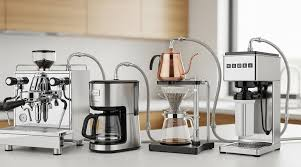
Modern coffee shops need equipment that can keep up with peak-hour demand without slowing down baristas or compromising drink quality. A plumbed coffee machine setup supports this need by connecting the machine directly to a mains water line, eliminating manual refilling and reducing interruptions during service.
This type of setup is especially useful for cafés, restaurants, hotels, and high-traffic kiosks where speed, consistency, and reliability matter every day. By maintaining a steady water supply, plumbed machines help baristas focus on espresso extraction, milk steaming, and customer service instead of stopping to refill tanks or monitor water levels.
For commercial coffee businesses, the value goes beyond convenience. A plumbed system can support smoother workflows, more consistent output, easier maintenance planning, and better long-term operational efficiency. This article explores how plumbed coffee makers improve coffee shop workflow, from barista productivity and drink consistency to maintenance benefits and business impact.
The Role of Plumbed Coffee Machines in Modern Coffee Shop Operations
In a busy café environment, every second matters. Traditional reservoir-based espresso machines require frequent water refills, which interrupt service flow and add unnecessary labour. In contrast, plumbed coffee machines are directly connected to a water supply, allowing continuous brewing without interruption.
This continuous supply is particularly important in high-demand environments where coffee orders come in rapid succession. When a machine is plumbed in, baristas no longer need to pause service to check or refill water tanks. Instead, the machine automatically draws water as needed, keeping operations smooth and predictable.
In practice, this means a café can handle rush periods more efficiently, reduce customer wait times, and maintain a more consistent pace of service throughout the day. This shift from manual to automated water supply is one of the most significant workflow improvements in modern coffee shop design.
Eliminating Manual Refilling and Reducing Downtime
One of the most immediate workflow improvements offered by plumbed coffee machines is the elimination of manual water refilling. In a traditional setup, staff must monitor water levels constantly and refill tanks multiple times a day, especially in busy cafés.
This process may seem minor, but in a high-volume environment, it creates repeated interruptions that break workflow rhythm. Even short pauses can accumulate into significant delays during peak hours.
With a plumbed system, this entire task disappears. The machine is continuously supplied with water, meaning baristas can focus entirely on customer service, drink preparation, and station management. This leads to a more stable workflow where attention is not divided between brewing and maintenance tasks.
Industry discussions highlight that plumbed machines are especially beneficial in high-traffic environments because they remove interruptions and support continuous service. This uninterrupted operation is one of the core reasons cafés upgrade to plumbed systems as they scale.
Improving Barista Efficiency and Task Focus
Barista efficiency is not only about speed but also about cognitive load. In a busy coffee shop, baristas must manage multiple tasks simultaneously, including espresso extraction, milk steaming, customer interaction, and order coordination.
When a machine is not plumbed in, baristas must also monitor water levels and perform refills, which adds an extra layer of responsibility. This increases mental load and can lead to distractions during peak service periods.
A plumbed setup removes this responsibility entirely. Baristas can remain fully focused on beverage preparation and customer interaction, improving both speed and quality of service. This also contributes to smoother teamwork, as staff are not interrupted by equipment maintenance tasks.
Over time, this improved focus can enhance consistency in drink preparation, reduce errors, and create a more professional workflow environment.
Consistency in Espresso Quality and Extraction Stability
One of the most important advantages of plumbed coffee machines is improved consistency in espresso extraction. Espresso quality depends heavily on stable water pressure and temperature, both of which can fluctuate in reservoir-based systems.
When a water tank is used, pressure can vary as the water level drops, which may lead to inconsistent extraction. In contrast, plumbed machines draw directly from a constant supply, ensuring stable pressure throughout the day.
This consistency directly affects flavour. Stable pressure allows for even extraction of coffee compounds, resulting in balanced flavour profiles, better crema, and more repeatable results.
Research and industry reviews note that plumbed systems help maintain consistent pressure and temperature, which leads to more reliable espresso shots . This is particularly important for cafés that aim to deliver identical drinks regardless of rush conditions or staff changes.
Supporting High-Volume Service Environments
Plumbed coffee machines are particularly valuable in high-volume cafés where hundreds of drinks may be served daily. In these environments, workflow efficiency is critical to profitability and customer satisfaction.
As volume increases, reservoir-based machines become less practical due to constant refilling requirements. Plumbed systems, however, are designed for continuous operation and can handle sustained demand without interruption.
This makes them ideal for cafés, restaurants, hotel breakfast stations, office coffee bars, and specialty coffee shops with steady customer flow. In such settings, the ability to maintain uninterrupted service directly translates into higher throughput and improved customer experience.
Industry sources confirm that plumbed machines are preferred in high-traffic environments because they support scale, speed, and reliability.
Reducing Maintenance Interruptions and Improving Hygiene
Maintenance is another area where plumbed coffee machines improve workflow efficiency. Traditional water tanks must be regularly removed, cleaned, and refilled. This not only takes time but also introduces potential hygiene concerns if not maintained properly.
Plumbed machines reduce these maintenance tasks significantly. Since water is continuously supplied through a direct line, there is less risk of stagnant water, which can contribute to bacterial growth or unpleasant tastes.
Additionally, many plumbed systems are compatible with inline water filtration, which helps reduce mineral buildup and improves water quality. This leads to fewer descaling cycles and less machine downtime.
Some industry analyses also note that reduced manual handling of water systems helps streamline cleaning routines and improve overall operational efficiency.
Better Space Utilisation Behind the Counter
Workflow efficiency is not only about speed but also about physical organisation. In busy cafés, counter space is extremely valuable, and every piece of equipment must justify its footprint.
Plumbed coffee machines can improve space utilisation by eliminating the need for large external water reservoirs or constant storage of refill containers. This creates a cleaner, more organised workspace.
A more organised bar layout improves barista movement patterns, reduces unnecessary steps, and allows smoother multitasking during busy periods. Even small improvements in spatial efficiency can significantly improve overall service speed in a high-pressure café environment.
Long-Term Business Efficiency and Cost Savings
While plumbed coffee machines often require a higher initial setup cost due to installation requirements, they can lead to long-term operational savings. Reduced labour time spent on refilling, fewer interruptions during service, and improved drink consistency all contribute to better overall efficiency.
Additionally, improved workflow can increase the number of customers served per hour, directly impacting revenue potential during peak times. Over time, these gains often outweigh the initial installation investment.
Maintenance efficiency also plays a role. With fewer manual interventions required, machines experience more stable operation, reducing wear caused by improper handling or inconsistent water levels.
Operational Reliability During Peak Hours
One of the most valuable benefits of plumbed coffee machines is reliability during peak service hours. In a busy café, the worst possible scenario is a machine stopping due to an empty water tank.
Plumbed systems eliminate this risk entirely. As long as the water supply is stable, the machine can continue operating without interruption. This reliability is critical during morning rush hours, lunch peaks, and weekend surges when demand is unpredictable.
Reliable equipment also improves staff confidence, allowing baristas to focus on speed and quality rather than equipment monitoring. This contributes to a more stable and efficient service environment overall.
Conclusion
Plumbed coffee machines significantly improve workflow efficiency in coffee shops by eliminating manual water refilling, reducing downtime, and supporting continuous high-volume service. They enhance barista productivity by removing unnecessary tasks, improving consistency in espresso extraction through stable water pressure, and streamlining maintenance operations for long-term reliability.
While installation requires planning and upfront investment, the long-term operational benefits are substantial. For cafés that prioritise speed, consistency, and scalability, a plumbed coffee setup is one of the most effective infrastructure upgrades available.
Ultimately, these systems transform coffee shop operations from reactive, manual workflows into streamlined, automated systems designed for efficiency and growth.