
A Practical Guide to Secure and Reliable Account Login
A clear route through an online service can reduce mistakes before they become frustrating. The account login guide is a useful example because credential security, device awareness, recovery planning, and session protection can quickly shape whether a session feels understandable or confusing. A visitor beginning with 11win can still benefit from pausing to check the route, the available information, and the boundaries planned for the visit. The focus is on navigation, discovery, and everyday habits that reduce confusion during normal use. Users are better prepared when they understand using a unique password, pay attention to reviewing active access, and recognize the risks described by the activity itself. The strongest starting point is simple: know what you came to do, know what information you need, and decide in advance what will make you stop.
Starting With a Clear Route Through the Account Login Guide
A predictable structure saves attention for the decision itself instead of forcing the user to search repeatedly. A user should be able to identify using a unique password, compare it with checking the correct login page, and return to the previous screen without losing context. Readable spacing, consistent button behavior, and plain explanations reduce the need to rely on assumptions. Users should notice whether protecting one-time codes supports attention or simply pushes them toward faster decisions. A short pause before the first meaningful action can expose missing information that would otherwise be noticed too late. That pause is not wasted time; it is part of using a digital service with intention.
Navigation That Reduces Repeated Searching
Many users lose time not because a feature is absent, but because the path to it is inconsistent. Users should pay attention to how the interface supports avoiding shared-device sessions without making reviewing active access difficult to maintain. Breadcrumbs, clear headings, recent-history tools, and sensible back navigation can all reduce unnecessary repetition. It is also wise to locate account settings, help resources, and relevant history before they are urgently needed. That preparation turns navigation into a practical safety tool rather than a cosmetic feature. For a online sign-in experience, good discovery should support informed use without making the user feel pushed toward constant activity.
Understanding the Main Online Sign-In Experience
Once users reach the core activity, the quality of information becomes more important than the speed of access. For this category, attention should be given to using a unique password, checking the correct login page, and protecting one-time codes. These elements help determine whether the user can understand the situation before acting. Readers who want to view the relevant category directly can use Đăng nhập 11win as a reference point while applying the same standards of clarity, limits, and careful review. After that, avoiding shared-device sessions becomes important because attention often changes once the session has already started. Login details and verification codes should never be shared with strangers, unofficial support accounts, or unknown third parties. A better routine is to plan reviewing active access and treat using official recovery steps as a deliberate skill. No interface can make an uncertain activity certain, so the user’s boundaries remain the most important control.
Using a Phone Without Turning Access Into Habit
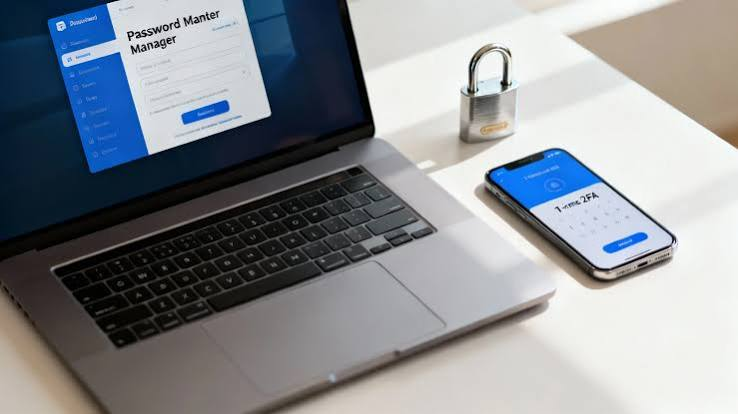
Small-screen access is now normal, yet the smaller display changes how people notice information and make decisions. If using a unique password and protecting one-time codes become harder to interpret on mobile, convenience may come at the cost of better judgment. Users can reduce distraction by closing unrelated apps, silencing nonessential alerts, and avoiding sessions while multitasking. Before opening the app or site, it helps to decide the exact purpose of the visit and the maximum time available. A timer can create an external stopping cue when the interface itself offers none. A brief pause after any strong emotional moment gives the user a chance to check whether the next action still fits the original plan. The device should save effort, not make stopping feel inconvenient.
Security Steps That Prevent Avoidable Problems
A secure experience depends on what the user does before, during, and after signing in. A unique password and a protected email account form the basic foundation, while verification codes should never be shared in chat or screenshots. Shared computers and borrowed phones deserve extra caution because saved sessions can remain active after the user leaves. When reviewing active access is relevant, users should keep a simple record instead of relying entirely on memory. Useful records may include dates, reference numbers, confirmation messages, and a brief note describing what happened. Documentation is especially helpful when a routine process takes longer than expected. Good security is repetitive by nature, and that repetition is exactly what makes it reliable.
Planning Money Decisions Before the Session
A budget is useful only when it is separate from essential expenses and treated as a hard boundary. Funds needed for rent, food, debt, education, medical needs, or family responsibilities should never be treated as an entertainment budget. For this type of activity, reviewing active access can help create a clear boundary around the session. Trying to recover losses by increasing the pace or amount of activity is a warning sign rather than a strategy. The existence of available funds does not create a reason to continue using them. A stop point should remain valid whether the session feels successful, disappointing, or unfinished. Login details and verification codes should never be shared with strangers, unofficial support accounts, or unknown third parties. The healthiest financial expectation is simple: the activity is optional entertainment, not income, investment, or debt recovery.
How Clear Limits Support Better Decisions
A responsible approach is practical: it defines time, money, purpose, and the conditions for taking a break. Users can turn reviewing active access and using official recovery steps into repeatable habits rather than emergency reactions. Participation should stop when it leads to borrowing, secrecy, repeated broken limits, or neglect of work and relationships. Leaving early is not a failure when the planned boundary has already been reached. Talking with a trusted person or a qualified support service can be appropriate when control feels difficult or the activity causes distress. Age restrictions and local laws also matter, so people should only participate where the activity is lawful and permitted for them. A sustainable routine keeps the activity secondary to health, obligations, and financial stability.
Conclusion
The most useful online experiences leave the user with enough information to decide when to continue and when to stop. For the account login guide, that means paying attention to credential security, device awareness, recovery planning, and session protection without treating uncertain outcomes as promises. Practical habits such as using a unique password, reviewing active access, and using official recovery steps can make the experience easier to understand and review. Account protection, accurate records, realistic budgets, and respect for local rules remain relevant regardless of device or platform design. Good design can reduce confusion, but it cannot remove uncertainty or personal responsibility. The best standard is simple: the activity should remain optional, understandable, affordable, and easy to leave.