
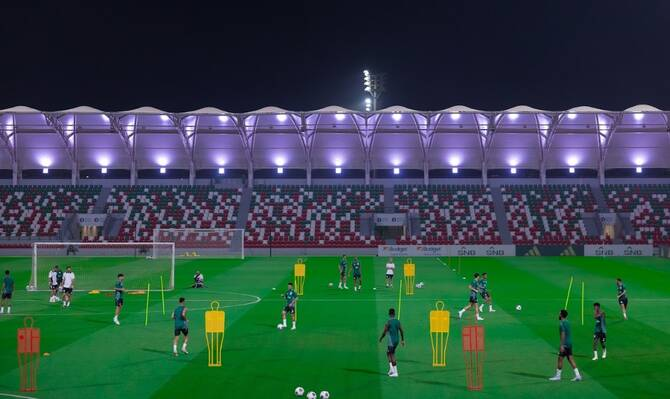
How Teams Are Preparing for the 2026 FIFA World Cup
The sporting world is already abuzz with anticipation as the countdown to the world cup 2026 officially begins. For the first time in history, the tournament will be jointly hosted by three nations—the United States, Canada, and Mexico—spanning 16 host cities across the North American continent. This expansion to 48 teams marks a transformative era for international football, bringing unprecedented logistical challenges and competitive pressure. As national federations shift their focus toward this marquee event, the preparation strategies have become more sophisticated, data-driven, and long-term than ever before.
Tactical Evolution and Roster Depth
With the tournament expanding from 32 to 48 teams, the depth of national squads has become the primary focus for managers. Coaches are no longer just looking for the best starting eleven; they are scouting for versatile players who can perform in a grueling, high-stakes environment.
To prepare for the Fun88 chính thức, teams are prioritizing:
- Youth Integration: Many nations are fast-tracking teenage prodigies into senior squads to ensure they have high-level tournament experience by 2026.
- Tactical Flexibility: Managers are experimenting with hybrid formations that allow teams to switch between defensive solidity and attacking transition play, acknowledging the diverse styles of play seen across different confederations.
- Data Analytics: Utilizing advanced tracking software to monitor player fatigue, injury risk, and performance metrics, ensuring that top stars reach the tournament in peak physical condition.
Navigating the Logistical Challenges of North America
One of the most unique aspects of the upcoming tournament is the sheer scale of the host geography. Unlike previous tournaments held in compact European or Middle Eastern countries, the world cup 2026 will require teams to travel across different time zones and climatic conditions.
Professional associations are currently establishing “base camps” that optimize travel routes. Because the tournament spans from Vancouver to Mexico City, national teams are investing heavily in:
- Climate Adaptation: Specialized training sessions that mimic the humidity of Southern US cities or the high altitudes found in Mexico.
- Logistical Planning: Coordinating with travel specialists to minimize jet lag and maximize recovery time between group stage matches.
- Facility Scouting: Securing elite training facilities early to ensure that players have consistent environments for preparation, regardless of the match location.
For more information on the official host cities and updates on the tournament progress, fans can visit the official FIFA website.
The Mental Game: Sports Psychology
Physical preparation is only half the battle. The mental strain of a tournament of this magnitude is immense. National teams are increasingly hiring dedicated sports psychologists to build resilient team cultures. By focusing on mental toughness, communication, and emotional regulation, teams hope to mitigate the intense pressure that accompanies the global spotlight. This focus on the “whole player” is a hallmark of the modern approach to elite football.
Conclusion
The road to the world cup 2026 is paved with meticulous planning, scientific innovation, and a relentless pursuit of excellence. From the tactical adjustments required to navigate an expanded field of 48 nations to the logistical mastery needed to conquer the North American landscape, national teams are leaving nothing to chance. As we look forward to the opening whistle, it is clear that the preparation phase is just as critical as the tournament itself. Fans can expect a higher level of play, deeper rosters, and a more strategic approach to the beautiful game. The stage is set for a truly historic event, and the work being done today will undoubtedly define the champions of tomorrow.